
A Tale as Old as Time…
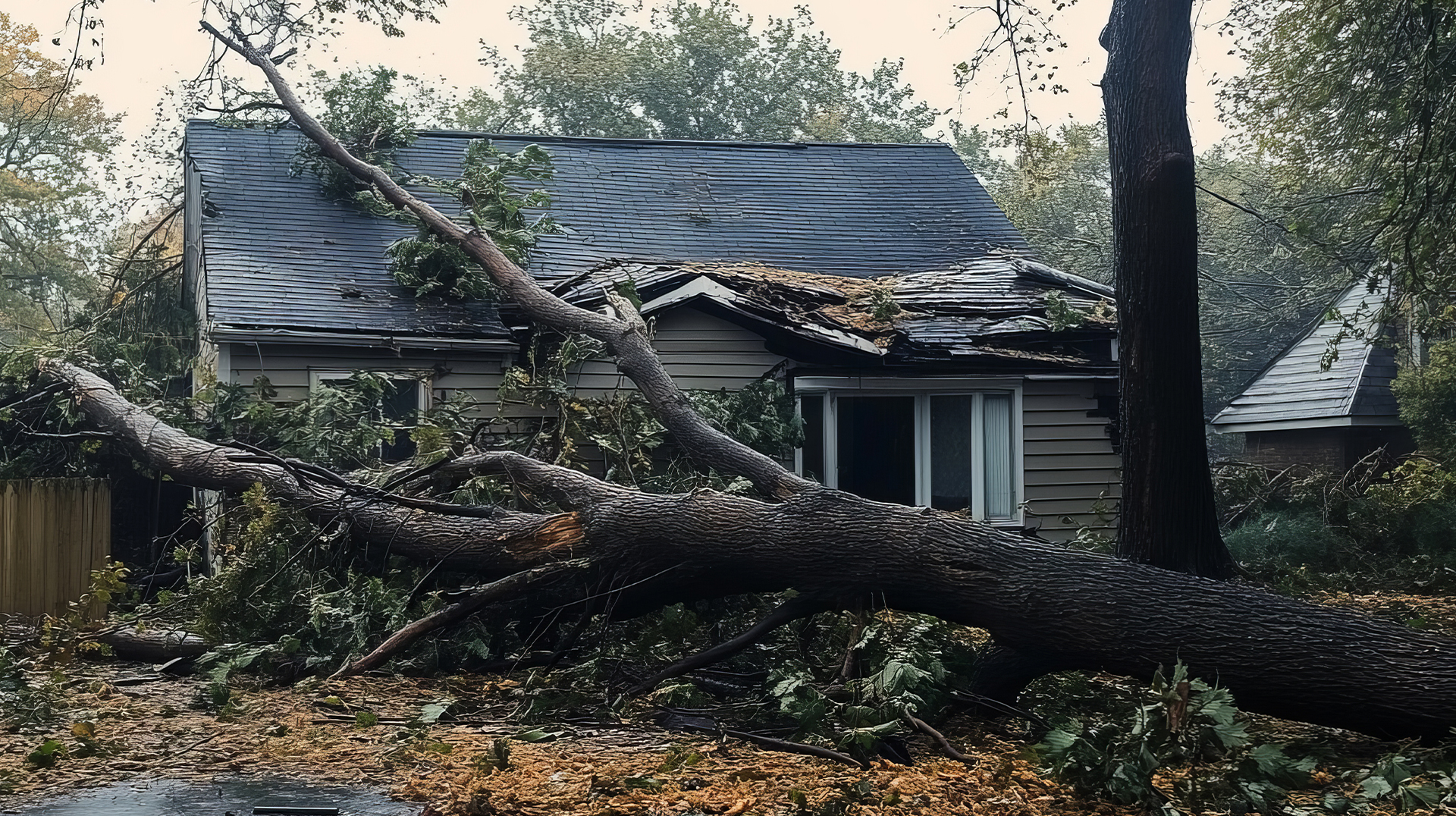
After a big storm rolls through Kansas, this is one of the most common questions we get. A tree from next door is now sitting on your roof, and you’re wondering who’s on the hook. The short answer: usually you file with your own insurance first. But the full answer has a few important wrinkles.
The Basic Rule
When a healthy tree falls due to wind, hail, or a storm, the general rule in insurance is that each party turns to their own policy for the damage it caused. Your home insurance covers your house. Your neighbor’s policy covers damage to their property, if any.
Your neighbor is not automatically liable simply because the tree was rooted in their yard. That surprises a lot of people, but it’s how it works in most cases.
The Core PrincipleDamage coverage and legal responsibility are not the same thing. A tree can destroy your roof and your neighbor may owe you nothing, depending on the circumstances.
When the Neighbor Might Be Responsible
The word that changes everything here is negligence. If your neighbor knew, or reasonably should have known, that the tree was dead, rotting, or structurally compromised and did nothing about it, liability can shift to them.
A few things that can support a negligence claim:
- You or someone else notified the neighbor in writing about the tree’s condition
- The tree was visibly dead or severely damaged before the storm
- A prior event (previous storm, pest damage) had already compromised it
If negligence is clearly established, the neighbor’s liability coverage may come into play. In practice, insurers and sometimes attorneys sort this out after the fact.
Worth KnowingEven if you believe the neighbor was negligent, your insurer may still pay your claim first and then pursue reimbursement from the neighbor’s insurer through a process called subrogation. You don’t have to wait for the negligence question to be resolved before getting your repairs started.
What Your Home Insurance May Cover
Assuming the tree fall qualifies as a covered peril under your policy, here’s what typically applies:
- Structural damage to the house, including roof, walls, and interior damage caused by the impact
- Other structures on your property like fences, detached garages, and sheds, usually up to 10% of your dwelling coverage limit
- Temporary repairs to prevent additional damage, like emergency tarping
- Loss of use / additional living expenses if the home becomes unlivable during repairs
Keep in mind that debris removal of the tree itself may be subject to a separate sublimit. Check your policy or ask your agent.
What to Do Immediately After
How you handle the first 24 to 48 hours matters. Here’s the order of operations:
- Take photos and video of everything before anything is moved or covered. Document the tree, the point of impact, interior damage, and the neighboring property if relevant.
- Make only emergency repairs needed to prevent further damage. Tarp the roof, board up openings, and stop active water intrusion if you can do it safely.
- Contact your insurance agent as soon as possible to report the claim and get guidance on next steps.
- Save every receipt. Tarps, cleanup costs, hotel stays, meals during displacement. All of it may be reimbursable.
- Get a professional inspection before assuming the damage is minor. Roof and framing damage isn’t always visible from the ground.
How to Handle the Neighbor Conversation
This situation can get awkward fast, especially with someone you see regularly. A few things to keep in mind:
- Keep it factual and calm. You don’t know yet what the insurance outcome will be.
- Don’t concede fault, and don’t demand they pay before the cause is determined.
- Let the insurers work it out. That’s what they’re there for.
- If the neighbor’s tree was clearly in bad shape and they ignored it, document what you knew and when, and let your insurer know.
Friendly TipNotifying a neighbor in writing (even a simple text message) that a tree looks unhealthy creates a record. If it later falls and causes damage, that documentation matters. It’s not about being litigious; it’s about protecting yourself.
Common Myths
The Myth: “The tree owner always pays.”
The Truth: Ownership of the tree doesn’t automatically mean liability for the damage it causes. The cause of the fall is what matters most.
The Myth: “It was my neighbor’s tree, so I shouldn’t have to file with my own insurer.”
The Truth: In most cases, you’ll still file with your own policy first, especially if the tree was healthy and the fall was storm-related. Waiting on your neighbor’s insurer to pay could significantly delay your repairs.
The Myth: “If there’s no visible leak, there’s no real damage.”
The Truth: A tree can crack roof decking, shift framing, and break structural connections without producing an immediate leak. Have a professional look at it. What you can’t see can still cost you significantly later.
The Bottom Line
When a tree falls on your house, the safest move is always the same: document everything, contact your insurer promptly, and get a professional assessment of the damage. Don’t assume the situation is obvious, and don’t wait on liability questions to get resolved before starting that process.
The bigger-picture takeaway is this: a quick insurance policy review before storm season can tell you exactly what you’re covered for, what your deductible is, and whether you have any gaps worth addressing before a Kansas spring rolls in. We’re happy to walk through that with you anytime.
Have Questions About Your Coverage?
We’re local, we’re easy to reach, and we’d rather you call us before something happens than after.
This post is for general educational purposes and does not constitute legal or insurance advice. Coverage varies by policy.